
Unlocking Potato exports from Africa Opportunities: The Logistics of Exporting Agriculture from Africa

Updated: Jan 13
Exporting agricultural products from Africa is an exhilarating journey filled with immense potential and exciting challenges! As someone deeply passionate about connecting the world with Africa’s rich agricultural bounty, I’m thrilled to share insights into the logistics that make this vibrant trade possible. Whether you’re a global wholesaler, retailer, or food processing company, understanding the nuts and bolts of this process will empower you to tap into one of the most promising markets on the planet.
Africa’s agricultural sector is bursting with promise, and the logistics behind exporting these goods are the backbone of this success story. From fresh potatoes in Cameroon to frozen French fries destined for international tables, the journey from farm to fork is a fascinating tale of innovation, dedication, and opportunity.
Exploring Potato Export From Africa Opportunities: A Gateway to Global Markets
Africa’s agricultural export opportunities are nothing short of spectacular! The continent boasts a diverse range of crops, climates, and farming traditions that create a treasure trove of products ready for the global stage. For businesses looking to expand their portfolios, Africa offers a unique blend of quality, sustainability, and competitive pricing.
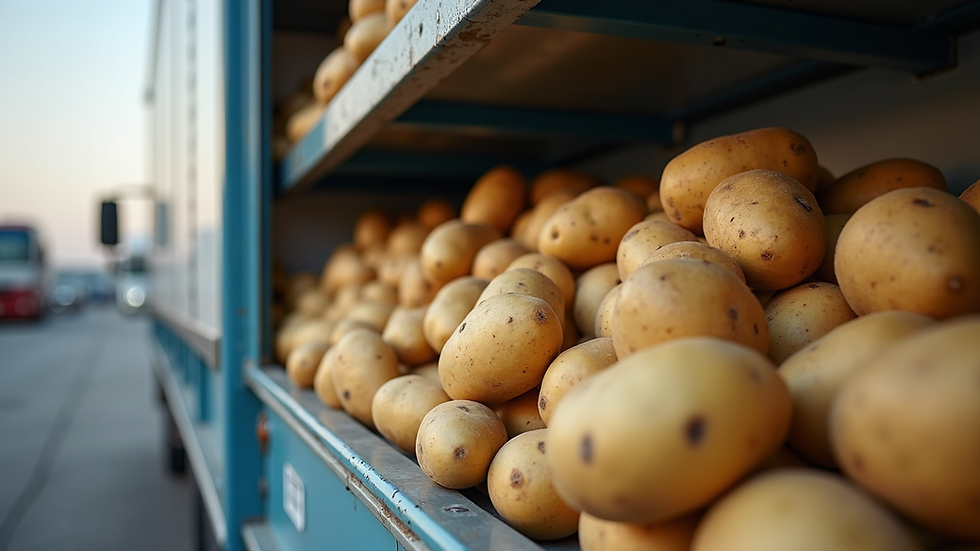
One of the most exciting aspects of these opportunities is the growing infrastructure supporting export activities. Ports, roads, and cold storage facilities are rapidly improving, making it easier than ever to move goods efficiently and safely. For example, in Cameroon, where fresh potatoes are a staple, exporters have invested heavily in refrigerated transport and packaging technology to maintain freshness during transit.
To capitalize on these opportunities, it’s essential to understand the entire supply chain. This includes:
Sourcing: Partnering with local farmers who use sustainable practices.
Processing: Adding value through washing, slicing, or freezing.
Packaging: Using materials that preserve quality and appeal to international buyers.
Transportation: Coordinating shipments via road, sea, or air with reliable logistics providers.
Compliance: Navigating export regulations, certifications, and quality standards.
By mastering these elements, businesses can unlock the full potential of African agricultural exports and build lasting relationships with global buyers.
What is Africa's biggest export?
When discussing Africa’s biggest export, it’s important to recognize the diversity across the continent. While minerals and oil often dominate headlines, agriculture holds a vital place in many African economies. Among agricultural products, coffee, cocoa, and fresh produce stand out as major contributors to export revenues.
Coffee and cocoa, grown primarily in West and Central Africa, have long been staples of the continent’s export portfolio. However, fresh produce like potatoes, fruits, and vegetables are rapidly gaining ground due to increasing global demand for healthy, natural foods.
For instance, Cameroon’s fresh potatoes are becoming a sought-after commodity in neighboring countries and beyond. Their versatility—from fresh consumption to processed forms like sliced potatoes for fries—makes them a valuable export product. This diversification is a game-changer, allowing African exporters to tap into multiple market segments.
Understanding these dynamics helps exporters position their products strategically, ensuring they meet the needs of international buyers while supporting local farmers and economies.
Navigating the Complexities of Export Logistics in Africa
Exploring potato exports from Africa involves navigating a complex web of logistics, but the rewards are absolutely worth it! The continent’s vast geography, varying infrastructure quality, and regulatory environments require exporters to be both agile and knowledgeable.
One of the biggest challenges is transportation. Many agricultural products are perishable, so timing and temperature control are critical. For example, fresh potatoes must be kept cool and dry to prevent spoilage. This means investing in cold chain logistics, including refrigerated trucks and storage facilities.
Another key factor is customs clearance. Exporters must be well-versed in documentation requirements, tariffs, and inspection procedures. Partnering with experienced freight forwarders and customs brokers can streamline this process and avoid costly delays.
Additionally, packaging plays a crucial role. Using durable, eco-friendly materials that protect the product while appealing to environmentally conscious consumers can set exporters apart in competitive markets.
To succeed, exporters should:
Develop strong relationships with local farmers to ensure consistent quality and supply.
Invest in modern processing and packaging technologies.
Collaborate with reliable logistics partners who understand regional challenges.
Stay updated on international trade regulations and certifications.
Embrace sustainability to meet growing consumer demand for ethical products.
By addressing these logistics intricacies head-on, exporters can deliver premium African agricultural products to the world with confidence and pride.

The Role of Technology and Innovation in Enhancing Export Efficiency
Technology and innovation are revolutionizing the way agricultural exports from Africa are managed, making the process smoother, faster, and more transparent than ever before! From farm to port, digital tools are empowering exporters to optimize every step of the supply chain.
For example, GPS tracking and real-time monitoring allow exporters to keep a close eye on shipments, ensuring timely delivery and maintaining product quality. Mobile apps help farmers access market information, weather forecasts, and best practices, boosting productivity and product consistency.
Moreover, blockchain technology is being explored to enhance traceability and build trust with international buyers. This means every potato or French fry can be traced back to its origin, assuring customers of authenticity and ethical sourcing.
Investing in automated sorting and packaging machines also increases efficiency and reduces waste. These innovations not only improve profitability but also contribute to sustainability goals by minimizing environmental impact.
For businesses eager to lead in the global market, embracing these technological advancements is a must. They unlock new levels of efficiency and open doors to premium markets that demand transparency and quality.
Empowering Local Farmers: The Heart of Sustainable Export Growth
At the core of Africa’s agricultural export success are the hardworking farmers who cultivate the land with passion and expertise. Empowering these farmers is essential for sustainable growth and long-term success in global markets.
Supporting local farmers means providing access to:
Training on sustainable farming techniques.
Quality seeds and inputs to improve yields.
Fair pricing to ensure livelihoods are protected.
Access to finance for investing in equipment and infrastructure.
Market linkages to connect directly with exporters and buyers.
By fostering these connections, exporters not only secure a reliable supply of premium products but also contribute to community development and poverty reduction.
For example, African Potatoes Exporters has made it a priority to work closely with farmers in Cameroon, helping them adopt best practices and improve their crop quality. This partnership approach ensures that the potatoes reaching international markets are of the highest standard, while also uplifting the local economy.
This model of collaboration and empowerment is a shining example of how business success and social impact can go hand in hand.
Seizing the Moment: Why Now is the Time to Invest in African Agricultural Exports
The global demand for fresh, sustainable, and ethically sourced agricultural products has never been higher. Africa is uniquely positioned to meet this demand with its rich natural resources, diverse climates, and growing infrastructure.
Investing in African agricultural exports today means:
Accessing untapped markets with high growth potential.
Benefiting from competitive production costs.
Aligning with global sustainability trends.
Building resilient supply chains that diversify sourcing.
Supporting economic development and social progress.
For companies looking to expand their product lines or enter new markets, partnering with African exporters offers a win-win opportunity. The continent’s agricultural sector is ready to shine on the world stage, and the logistics that support this trade are evolving rapidly to meet global standards.
By embracing this moment, you can be part of a transformative journey that delivers exceptional products while making a positive impact.
Africa’s agricultural export landscape is a vibrant tapestry of opportunity, innovation, and collaboration. From the fertile fields of Cameroon to the bustling ports connecting continents, the logistics of exporting agriculture from Africa are the key to unlocking a world of possibilities. Together, we can celebrate and champion this incredible journey, bringing the best of African produce to tables everywhere!
Ready to explore the incredible potential of agriculture export africa? The future is bright, and the time to act is now!


Comments